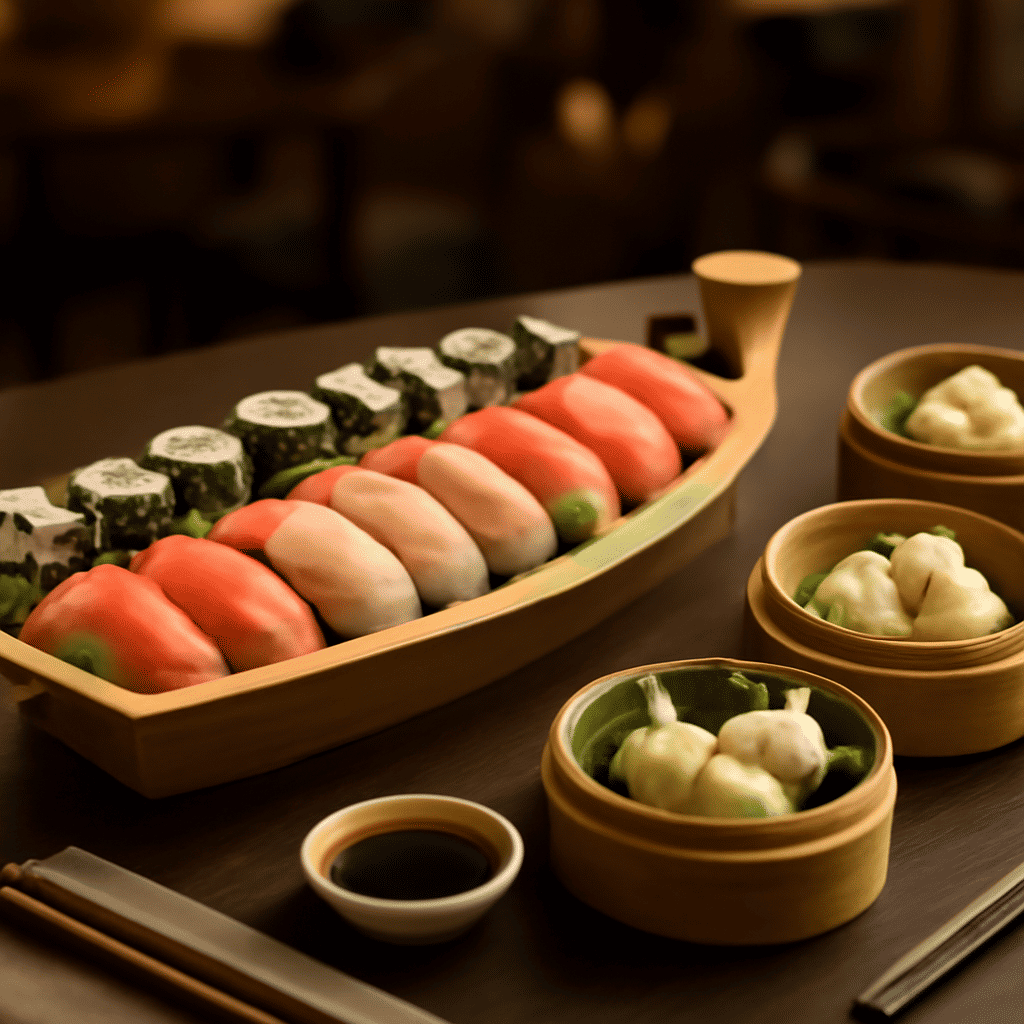
Embarking on a culinary voyage across Asia introduces diners to a spectrum of flavors, colors, and textures, each intricately tied to the culture and history of its land. This gastronomic journey serves as a delightful reminder of how food transcends borders and offers a glimpse into the heart of diverse cultures. Let's set sail on this journey, exploring some prominent cuisines and dishes that define the Asian palate.
First, we lay anchor in Japan, a nation where food is an art form. Japanese cuisine is renowned for its emphasis on seasonal ingredients, simplicity, and presentation. Sushi, one of the most iconic dishes, offers a symphony of flavors through its delicate combination of vinegared rice and fresh seafood. It's a dish that balances taste, texture, and aesthetics. Beyond sushi, dishes like tempura, a deep-fried yet light creation, and ramen, with its comforting broth and noodles, also exemplify the meticulous attention Japanese chefs pay to crafting their meals.
Sailing westward, we arrive in China, where the variety of regional cuisines is staggering. Dimsum, the quintessential Cantonese meal, transforms any dining table into a feast of small, bite-sized portions served in bamboo baskets. Steamed buns, pork dumplings, and rice noodle rolls highlight a culinary tradition that values taste and keeps social interaction at its core. Not to be missed are the fiery flavors of Szechuan cuisine, where bold, spicy dishes like hotpot showcase the region's affinity for rich, aromatic flavors.
Our next stop is Thailand, a country known for its vibrant street food and harmonious taste profiles. Thai cuisine is celebrated for balancing sweet, sour, salty, bitter, and spicy flavors within a single dish. Tom yum soup is a perfect example, with its hot and sour notes creating a flavorful broth that sings. Likewise, pad Thai, with its combination of stir-fried noodles, shrimp, peanuts, and lime, brings together a world of tastes in every bite.
Venturing to the Indian subcontinent, we encounter a diverse array of spices and cooking techniques that tell stories of trade and tradition. Indian cuisine’s distinct regional variations offer everything from the creamy, aromatic gravies of butter chicken and biryanis of the North to the tangy, spicy flavors of dosas and sambars in the South. The use of spices like cumin, cardamom, and turmeric not only enhances flavor but also delights the senses, making every meal a festival of smells and tastes.
In Korea, the culinary experience is communal, with meals often designed to be shared. Korean barbecue encourages interaction, where diners grill their meat at the table. Side dishes, or banchan, featuring everything from kimchi to seasoned spinach, provide layers of flavor that complement the main dishes. Korean cuisine’s widespread use of fermentation, particularly in dishes like kimchi, adds depth and complexity, making every meal uniquely satisfying.
Finally, we dock in Vietnam, where freshness is paramount. Vietnamese cuisine is characterized by its balance of fresh herbs, light sauces, and the omnipresent fish sauce. Pho, a fragrant noodle soup that has gained international fame, is an embodiment of this balance. The interplay of fresh herbs, savory broth, and tender meat creates a comforting, fulfilling dish. Banh mi, a legacy of French influence, marries Eastern ingredients and Western techniques in a perfect handheld meal.
The boat of Asian cuisine offers a voyage of discovery that is as much about nourishment as it is about cultural appreciation. Each country's dishes tell stories of its people, landscapes, and histories, offering a blend of the familiar and the exotic. More than just sustenance, Asian cuisine invites diners to connect with centuries-old traditions and innovations crafted by passionate hands. Whether enjoyed in bustling street markets or serene traditional settings, this culinary journey promises adventure at every port.