Vietnamese cuisine is a tapestry of rich flavors, vibrant colors, and intricate techniques that have been honed over centuries. It embodies the very essence of a culture that is both humble and very refined, offering a culinary journey that delights the senses and leaves an indelible impression on all who experience it.
At the heart of Vietnamese cooking is a harmonious balance of flavors. Each dish masterfully combines elements of sweet, sour, salty, and bitter, a testament to the meticulous attention to detail which Vietnamese chefs and home cooks alike infuse into their creations. The use of fresh herbs such as Thai basil, mint, cilantro, and lemongrass is a hallmark of the cuisine, offering vibrant notes that elevate even the simplest of dishes.
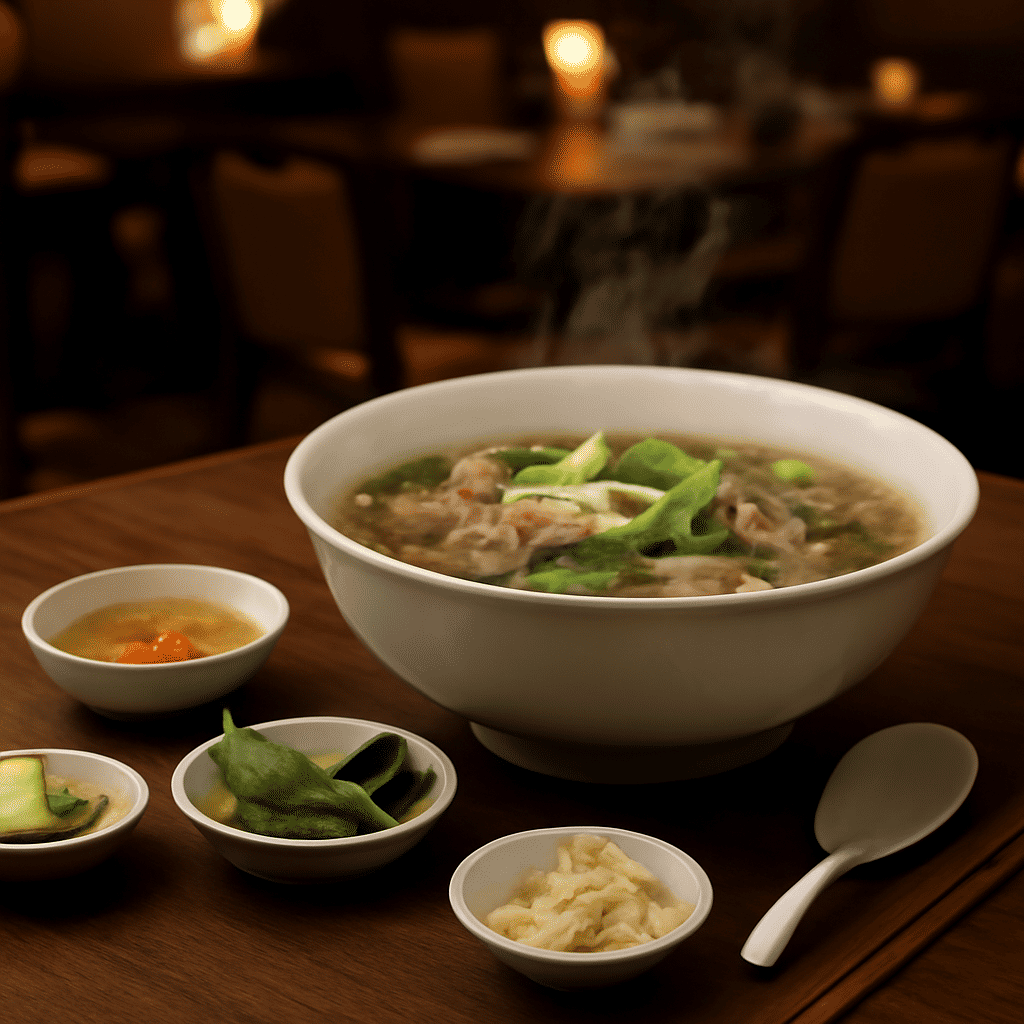
One cannot explore Vietnamese flavor without encountering the iconic Pho, a beef noodle soup hailed for its aromatic broth simmered with star anise, cinnamon, and ginger. The depth of flavor in Pho is a result of hours of careful simmering, coaxing rich undertones from beef bones and carefully selected spices. This dish, a beloved staple, welcomes diners with its savory warmth and intricate aromas.
Yet, Vietnamese cuisine is far more than its famed Pho. Bun Cha, a favorite among street food enthusiasts, features chargrilled pork patties served with vermicelli noodles, fresh herbs, and a tangy dipping sauce. This dish exemplifies the balance of sweet and savory that makes Vietnamese culinary traditions unique. Similarly, Banh Mi, a Vietnamese sandwich marrying French baguette with local ingredients like pickled vegetables, succulent meats, and a crackle of fresh chili, showcases the fusion of cultural influences that have shaped the country’s cuisine.
The Vietnamese approach to cooking is deeply rooted in respect for nature, which is evident in the emphasis on fresh ingredients sourced from local markets. Meals are often shared, bringing together an array of dishes that invite diners to engage in communal harmony. Each meal is not just food for the body, but nourishment for the soul, meant to be savored and enjoyed in the presence of family and friends.
Vietnamese cuisine also offers a treasure trove of healthy options. The abundance of fresh vegetables and the minimal use of oil and dairy make it a go-to for those seeking nutritious, well-balanced meals. Fresh spring rolls, or Goi Cuon, filled with shrimp, pork, rice noodles, and crisp lettuce, are wrapped in delicate rice paper and dipped in a savory peanut sauce, offering a guilt-free, yet satisfying culinary experience.
The journey through Vietnamese flavors is not just a voyage through food but an exploration of culture and history. Each dish tells a story, reveals a tradition, or honors an ancestor whose recipes have been passed lovingly down through generations. Through the culinary arts, Vietnam opens up its past, displaying the rich tapestry of its varied regional cuisines, each with distinctive characteristics and unique influences, from the spicy notes of the central region’s dishes to the subtle sweetness found in the southern palate.
In essence, exploring Vietnamese cuisine is akin to embarking on an enriching journey through time and place. With its delicate balance, unique ingredient combinations, and respect for tradition, Vietnamese food invites both seasoned culinary travelers and newcomers alike to discover a world where every meal is a celebration of life and culture.